Reduce Fire for Your Hardware - Consumer Guide for Cooling Fans
When using computers or other electronic devices, the cooling fan is a very important component. It can effectively reduce the temperature of electronic devices and ensure their normal operation. If the temperature is too high, it can cause the device to crash or damage, so choosing a suitable cooling fan is very important.
Here are some guidelines on how to choose a cooling fan:
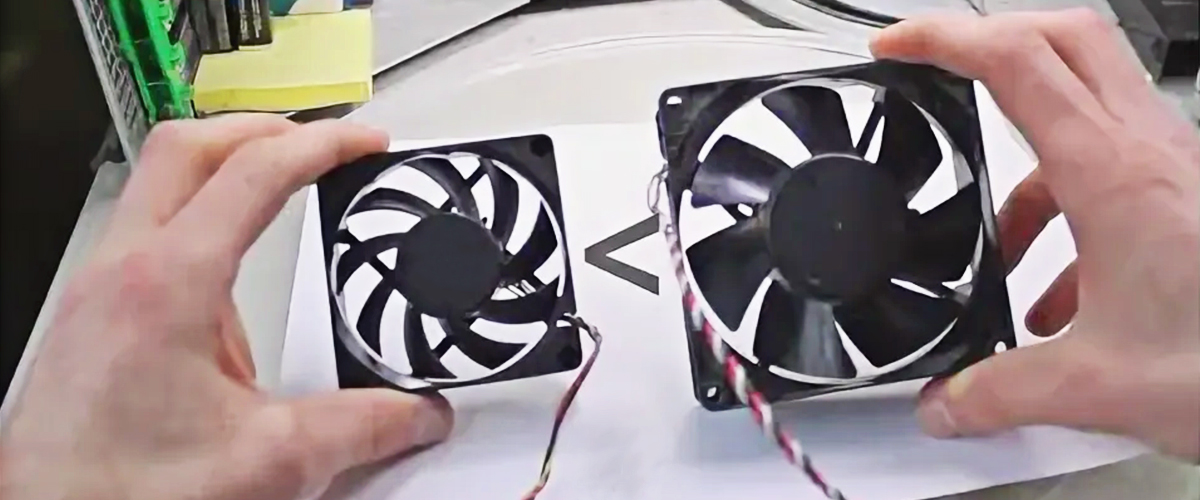
1. Size: Different devices require different sizes of cooling fans. It is recommended to measure the size of the device's heat sink or space first, and then select a suitable cooling fan. If the fan is too small, it may not be able to effectively cool the equipment, while if it is too large, it may not be able to adapt to the space.
2. Noise: The cooling fan needs to rotate continuously at high speed, which can produce noise. Choosing a low-noise cooling fan is particularly important, especially if you need to use a computer or other device for a long time.
3. Speed: The faster the speed of the cooling fan, the stronger the wind force it generates and the better the heat dissipation effect. Therefore, choosing a fast cooling fan can more effectively cool down, but it will also produce greater noise.
4. LED lights: Some cooling fans may come with LED lights, which are usually designed to attract the user's attention. If you need a reliable cooling fan, it is recommended to choose a style without LED lights as much as possible. This is because LED lights increase costs and may have an impact on actual performance.
Taking into account the above points, you can choose a cooling fan that has both good heat dissipation effect and does not produce too much noise, and can meet the size requirements of your equipment.
Talking about Cooling Fans - Starting from Wind Power Characteristics
Which areas require efficient cooling?