Understanding the Performance Differences Between DC Cooling Fans and AC Fans
When it comes to cooling systems, the choice between DC (direct current) cooling fans and AC (alternating current) fans can have a significant impact on performance. Understanding the differences between these two types of fans is crucial for making informed decisions in various applications, from electronics and appliances to industrial machinery and automotive systems.
DC Cooling Fans: Efficiency and Control
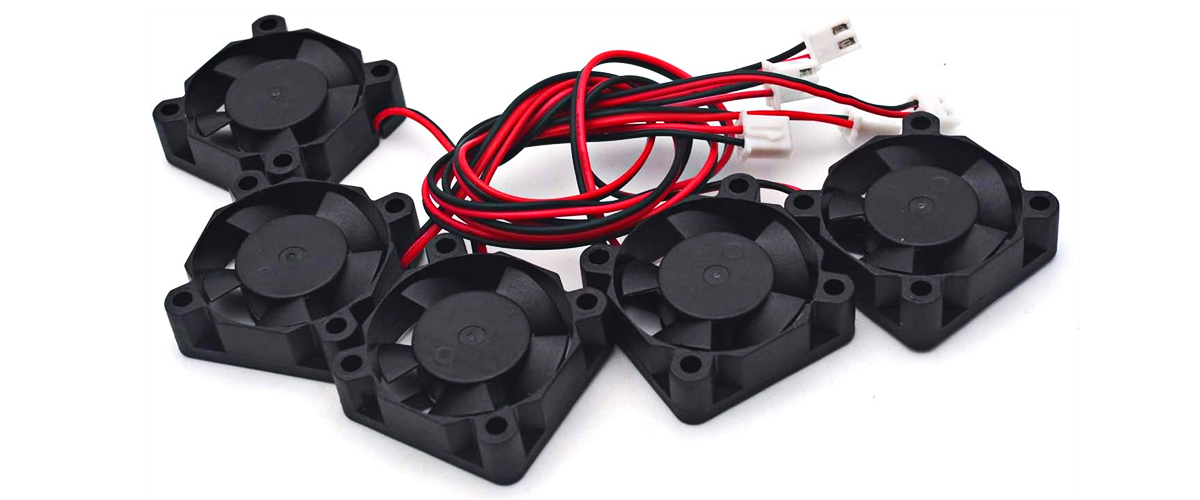
DC cooling fans are powered by direct current, which means they operate using a constant voltage. This type of fan is known for its efficiency and precise control. DC fans are commonly used in applications where variable speed control and low power consumption are essential. These fans are often found in electronics, such as computers, servers, and telecommunications equipment, where precise temperature control is critical for optimal performance and longevity.
One of the key advantages of DC cooling fans is their ability to operate at different speeds, allowing for fine-tuned cooling based on the specific requirements of the system. This flexibility in speed control makes DC fans ideal for maintaining consistent airflow and temperature levels, especially in environments with varying heat loads.
AC Fans: Robustness and Reliability
On the other hand, AC cooling fans are powered by alternating current, providing a constant voltage and frequency. AC fans are known for their robustness and reliability, making them suitable for applications that require continuous and consistent cooling. These fans are commonly used in industrial settings, HVAC systems, and large appliances where durability and long-term performance are crucial.
AC fans are designed to operate at a fixed speed, making them well-suited for applications that do not require variable speed control. The simplicity of their operation and the ability to withstand harsh environmental conditions make AC fans a popular choice for cooling large-scale equipment and machinery.
Performance Differences
When comparing the performance of DC cooling fans and AC fans, several key differences become apparent:
1. Speed Control: DC fans offer precise speed control, allowing for dynamic adjustments to meet specific cooling requirements. In contrast, AC fans operate at a fixed speed, providing consistent airflow without the need for speed modulation.
2. Power Consumption: DC fans are known for their energy efficiency, consuming less power compared to AC fans, especially when operating at lower speeds. This makes them an attractive option for applications where power consumption is a concern.
3. Durability: AC fans are often preferred for their robust construction and ability to withstand harsh operating conditions. Their simplicity and reliability make them well-suited for industrial and commercial applications where continuous operation is essential.
4. Noise Levels: DC fans, with their variable speed control, can operate at lower speeds, resulting in quieter operation compared to AC fans, which typically run at a constant speed and may produce more noise.
Choosing the Right Fan for Your Application
When selecting a cooling fan for a specific application, it's essential to consider the unique requirements and operating conditions. Factors such as temperature control, power consumption, noise levels, and environmental factors play a crucial role in determining whether a DC cooling fan or an AC fan is the best choice.
For applications that demand precise temperature control, variable speed operation, and low power consumption, DC cooling fans are often the preferred option. These fans excel in environments where flexibility and efficiency are paramount, such as in electronic devices and telecommunications equipment.
On the other hand, for applications that prioritize robustness, continuous operation, and reliability, AC fans are the go-to choice. Their ability to withstand harsh conditions and provide consistent airflow makes them well-suited for industrial machinery, HVAC systems, and large appliances.
In some cases, a hybrid approach may be beneficial, where a combination of DC and AC fans is used to optimize performance and energy efficiency. By leveraging the strengths of both types of fans, it's possible to create a cooling system that meets the specific needs of the application while maximizing overall performance.
Conclusion
The performance differences between DC cooling fans and AC fans stem from their unique characteristics and operational principles. Understanding these differences is essential for selecting the right fan for a given application, whether it's for electronics, industrial machinery, or HVAC systems.
By considering factors such as speed control, power consumption, durability, and noise levels, it's possible to make informed decisions when choosing between DC and AC cooling fans. Ultimately, the goal is to achieve optimal cooling performance while meeting the specific requirements of the application, whether it's in a data center, a manufacturing facility, or a household appliance.
In the ever-evolving world of cooling technology, the choice between DC and AC fans continues to play a crucial role in achieving efficient and reliable cooling solutions. As technology advances and new innovations emerge, the performance differences between these two types of fans will continue to shape the landscape of cooling systems across various industries.
DC Cooling Fans: Efficiency and Control
DC cooling fans are powered by direct current, which means they operate using a constant voltage. This type of fan is known for its efficiency and precise control. DC fans are commonly used in applications where variable speed control and low power consumption are essential. These fans are often found in electronics, such as computers, servers, and telecommunications equipment, where precise temperature control is critical for optimal performance and longevity.
One of the key advantages of DC cooling fans is their ability to operate at different speeds, allowing for fine-tuned cooling based on the specific requirements of the system. This flexibility in speed control makes DC fans ideal for maintaining consistent airflow and temperature levels, especially in environments with varying heat loads.
AC Fans: Robustness and Reliability
On the other hand, AC cooling fans are powered by alternating current, providing a constant voltage and frequency. AC fans are known for their robustness and reliability, making them suitable for applications that require continuous and consistent cooling. These fans are commonly used in industrial settings, HVAC systems, and large appliances where durability and long-term performance are crucial.
AC fans are designed to operate at a fixed speed, making them well-suited for applications that do not require variable speed control. The simplicity of their operation and the ability to withstand harsh environmental conditions make AC fans a popular choice for cooling large-scale equipment and machinery.
Performance Differences
When comparing the performance of DC cooling fans and AC fans, several key differences become apparent:
1. Speed Control: DC fans offer precise speed control, allowing for dynamic adjustments to meet specific cooling requirements. In contrast, AC fans operate at a fixed speed, providing consistent airflow without the need for speed modulation.
2. Power Consumption: DC fans are known for their energy efficiency, consuming less power compared to AC fans, especially when operating at lower speeds. This makes them an attractive option for applications where power consumption is a concern.
3. Durability: AC fans are often preferred for their robust construction and ability to withstand harsh operating conditions. Their simplicity and reliability make them well-suited for industrial and commercial applications where continuous operation is essential.
4. Noise Levels: DC fans, with their variable speed control, can operate at lower speeds, resulting in quieter operation compared to AC fans, which typically run at a constant speed and may produce more noise.
Choosing the Right Fan for Your Application
When selecting a cooling fan for a specific application, it's essential to consider the unique requirements and operating conditions. Factors such as temperature control, power consumption, noise levels, and environmental factors play a crucial role in determining whether a DC cooling fan or an AC fan is the best choice.
For applications that demand precise temperature control, variable speed operation, and low power consumption, DC cooling fans are often the preferred option. These fans excel in environments where flexibility and efficiency are paramount, such as in electronic devices and telecommunications equipment.
On the other hand, for applications that prioritize robustness, continuous operation, and reliability, AC fans are the go-to choice. Their ability to withstand harsh conditions and provide consistent airflow makes them well-suited for industrial machinery, HVAC systems, and large appliances.
In some cases, a hybrid approach may be beneficial, where a combination of DC and AC fans is used to optimize performance and energy efficiency. By leveraging the strengths of both types of fans, it's possible to create a cooling system that meets the specific needs of the application while maximizing overall performance.
Conclusion
The performance differences between DC cooling fans and AC fans stem from their unique characteristics and operational principles. Understanding these differences is essential for selecting the right fan for a given application, whether it's for electronics, industrial machinery, or HVAC systems.
By considering factors such as speed control, power consumption, durability, and noise levels, it's possible to make informed decisions when choosing between DC and AC cooling fans. Ultimately, the goal is to achieve optimal cooling performance while meeting the specific requirements of the application, whether it's in a data center, a manufacturing facility, or a household appliance.
In the ever-evolving world of cooling technology, the choice between DC and AC fans continues to play a crucial role in achieving efficient and reliable cooling solutions. As technology advances and new innovations emerge, the performance differences between these two types of fans will continue to shape the landscape of cooling systems across various industries.
The importance of dust-proof cooling fans for electronic products
Waterproof Cooling Fan Rating Guide